
Berry Street Education Model
The Berry Street Education Model (BSEM)
The Berry Street Education Model (BSEM) is a research-based framework designed to support and enhance student wellbeing and learning. At its core, BSEM emphasizes a holistic approach that addresses the social, emotional, and educational needs of students. The model integrates five key domains: Body, Relationships, Stamina, Engagement, and Character, which together help create a supportive and nurturing learning environment.
- Body: Focuses on the physical needs of students, including health, safety, and self-care, ensuring they are in a state that supports learning.
- Relationships: Builds strong, positive connections between students and staff, fostering a sense of belonging and trust in the school community.
- Stamina: Develops students’ resilience and perseverance, helping them manage stress and overcome challenges.
- Engagement: Encourages active participation and enthusiasm in learning, making education relevant and meaningful for each student.
- Character: Promotes the development of personal values, ethics, and self-discipline, guiding students to become responsible and compassionate individuals.
Through the Berry Street Education Model, we aim to create an environment where every student can thrive academically, emotionally, and socially.
Morning Circles and Ready to Learn Plans
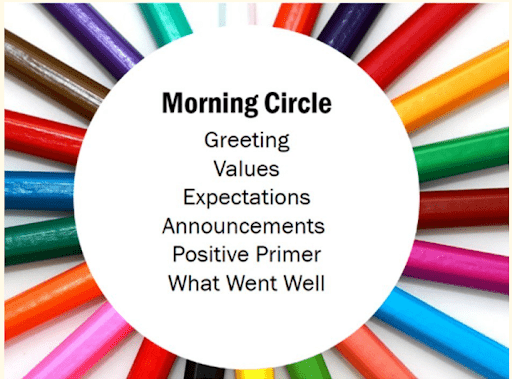
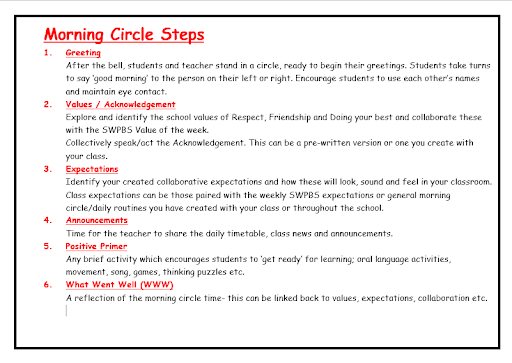
At TorquayCollege, we begin each day in every classroom with a Morning Circle. Berry Street learning indicates that the first 5 minutes of class are critical for setting the tone for the rest of the learning. It allows young people to ground themselves, co-regulate and establish a common rhythm for the learning day.
Routines and Expectations
A key component of our teaching and learning at Torquay College is our commitment towards establishing and maintaining meaningful routines and expectations across the school. The BSEM supports that ‘everybody benefits from consistent, predictable routines and co-regulatory environments that nurture students’ capabilities’. There are many familiar routines and expectations which students are taught and which occur throughout the school to maintain consistency. These are taught or re-taught at the beginning of the year and reinforced in familiar, easy ways throughout the year to gain routine. Routines and expectations such as lining up; transitioning within the classroom, transitioning around the school during learning time, entering and exiting assembly, students looking after their belongings and keeping our school tidy. consistent, BSEM supports that ‘predictable routines provides students with a sense of safety and predictability and prevents chaotic classroom environments that can escalate student stress’.
Ready to Learn Plans
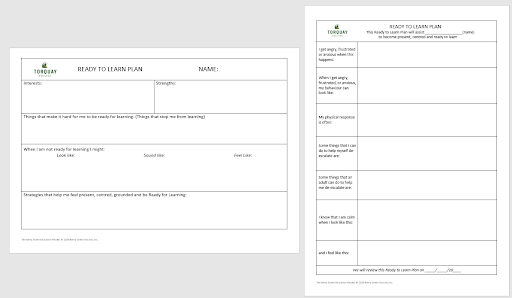
Understanding that some students may, at times, often or always feel a degree of stress at school is important. School staff have become skilled in implementing routines and expectations, co-regulation strategies and making adjustments in an effort to combat the dysregulation and disengagement students may feel at times. Students however, are given a voice regarding how they feel about their learning and what supports they feel are beneficial to them, within an inclusive schools framework, by completing a Ready to Learn Plan (RLP). When students are assisted to complete an RLP, they may identify triggers or barriers to their learning and make suggestions for workable solutions by listing strategies that help them. BSEM strongly advocates for every learner to complete a RLP, stating ‘Ready to Learn Plans list pre-prepared strategies for students to use when they are feeling escalated, dysregulated, or overwhelmed. Importantly, the strategies are decided by the students themselves with educators’ guidance and support.’