
Resilience, Rights & Respectful Relationships
Resilience, Rights & Respectful Relationships
The Resilience, Rights and Respectful Relationships (RRRR) program is an initiative implemented in Victorian schools to promote the social and emotional wellbeing of students. This mandated program is designed to help children and young people develop resilience, understand their rights, and foster respectful relationships. The RRRR program is incorporated into the school curriculum through a sequence of lessons and activities and aims to enhance emotional intelligence, improve interpersonal skills, and support mental health. Parents can support by talking to their child about what they are learning, encourage discussions about resilience, rights, and respectful relationships, and by demonstrating respectful and resilient behaviours in their own interactions.
There are eight Social & Emotional Learning topics:
- Emotional Literacy
- Personal Strengths
- Positive Coping
- Problem Solving
- Stress Management
- Help Seeking
- Gender and Identity
- Positive Gender Relationships.
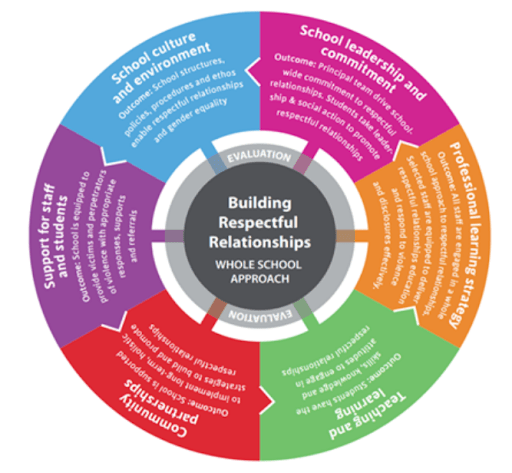
Resilience: Developing students’ ability to cope with challenges, manage stress, and bounce back from difficulties, building emotional regulation, problem-solving skills, and a growth mindset.
Rights: Educating students about their rights and responsibilities, including the right to safety and respect, through understanding and asserting personal rights, and respecting the rights of others.
Respectful Relationships: Promoting healthy and respectful interactions between students, staff, and the broader community, developing effective communication, empathy, and conflict resolution.
The RRRR Program has been an important component of our teaching, values and wellbeing approach at Torquay College since approximately 2018. It extends beyond the curriculum to the interactions and positive relationships formed throughout the school community.
A whole-school approach to implementing RRRR supports our school to:
-
- embed a culture of respect and equality
- create inclusive and safe environments
- involve families and communities
- support staff and student wellbeing.
Resources to support the program include:
-
- age-appropriate lessons and activities
- support for building social and emotional skills
- practical tools for real-life situations and relationships.
These resources also support a school-wide culture of equality, safety and respect.